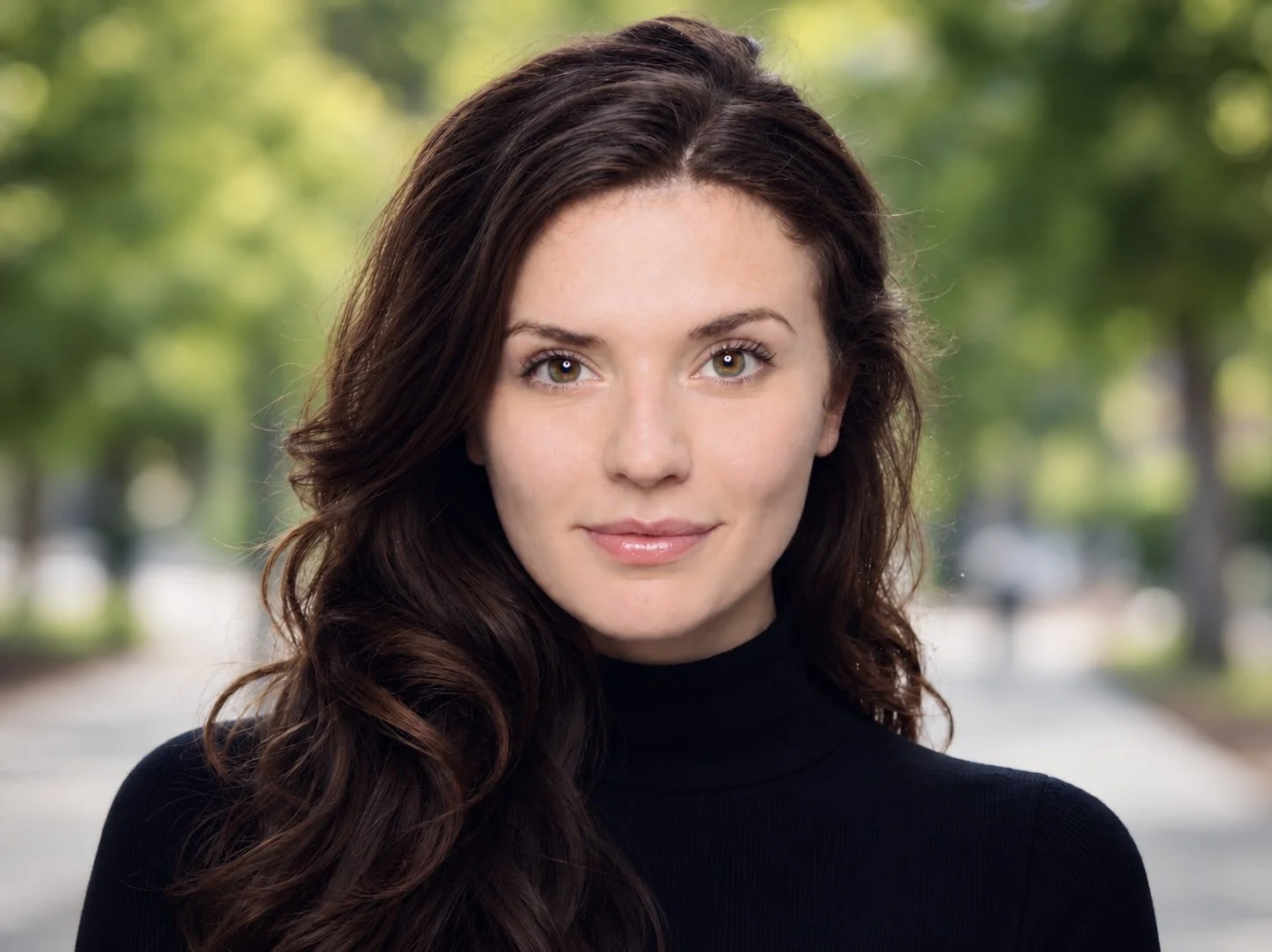
About Julia-Rosa Reis
Julia-Rosa Reis is a German entrepreneur and the founder and CEO of ShootShare®, a technology company for international creative production. She conceived the architecture of its digital production system, bringing commercial pricing, creative development, usage rights and local execution into a structured workflow. Her work connects entrepreneurship and technological innovation with independent inquiry into artificial intelligence, ethics and human agency.
Her professional background spans industrial robotics in Shanghai, brand development at Unilever in Hamburg and editorial production at Condé Nast in London. She studied International Business Administration at the Vienna University of Economics and Business, earned her degree in Communication and Cultural Management at Zeppelin University, and pursued further studies at the University of California, Irvine in Law & Society.

With over 20 years of experience in the creative industry, she has earned recognition as a Nikon Professional, been featured in Blickfang: Germany's Best Photographers, and participated in the Mastered by Nick Knight programme.
Drawing on her international experience, she developed ShootShare from early production experiments into a digital production system. The company has delivered more than 150 productions for international brands, supported by a curated network of over 200 local creative professionals.
Alongside her entrepreneurial work, Julia-Rosa pursues independent writing and intellectual inquiry into artificial intelligence, epistemology and technological ethics. Her interests include the relationship between representation and evidence, the assumptions embedded in technological systems, and their consequences for human decision-making and economic participation.
My Philosophy
I grew up surrounded by people who turned ideas into reality.
Factories, machines, engineering and technological innovation were familiar parts of my childhood. My grandfather founded an international industrial robotics and automation company.
At home in Germany, my parents encouraged experimentation, independent thinking and artistic expression, particularly my mother, an abstract artist. I began taking photographs at the age of five.
Art and engineering have shaped my understanding of creation ever since. Both require imagination, technical knowledge, decisions and execution. Both involve translating an idea into something that can exist and function in the world.

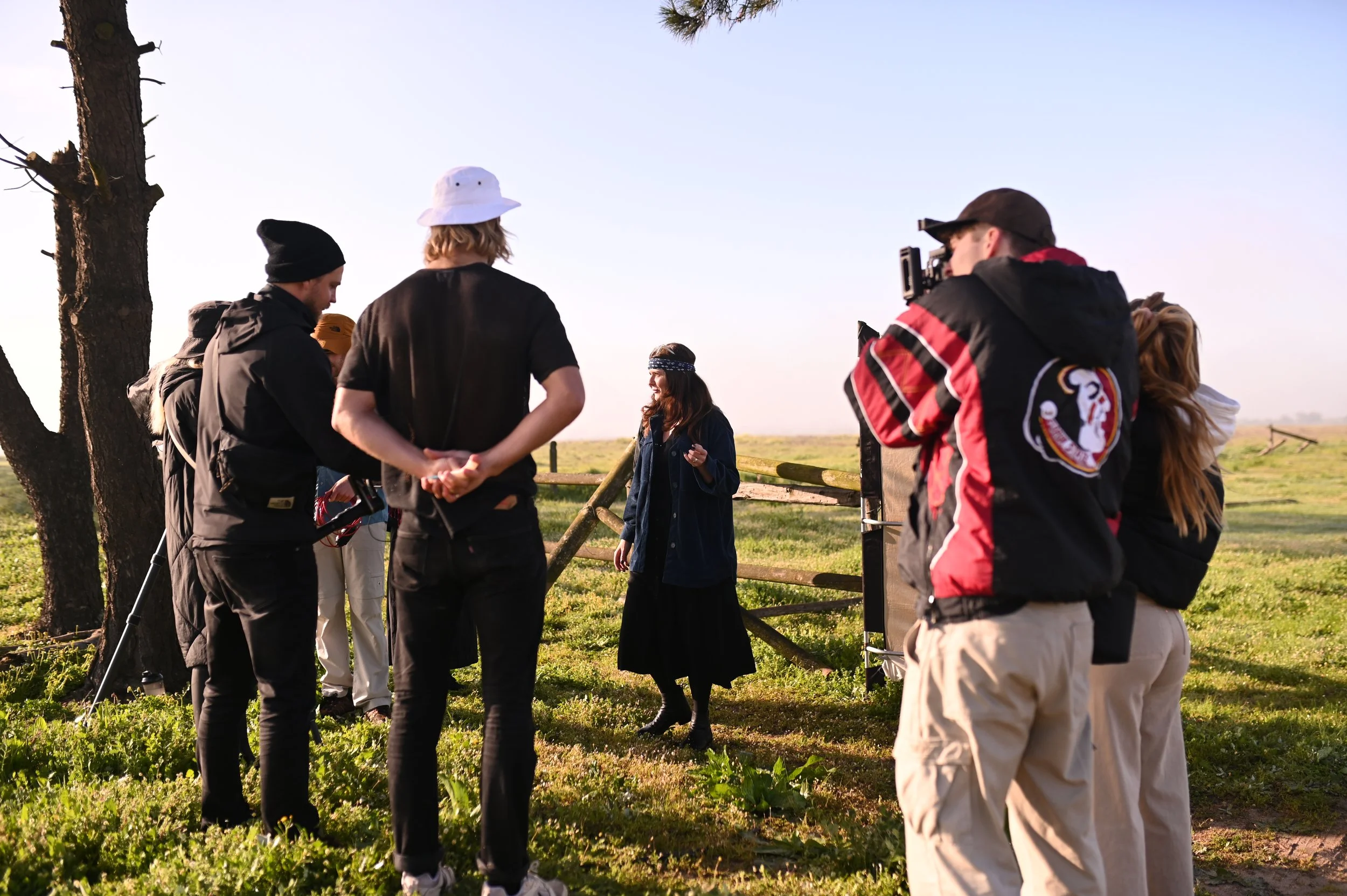
I have always been interested in understanding how things work, questioning the assumptions behind them and finding ways to improve them.
That curiosity informed my education, the places I chose to live and the professional experience I pursued.
From early education in France and Australia to extended periods in London, Los Angeles, Sydney and Amsterdam, and several years in South Africa, living internationally has been a defining part of my experience. Moving between cultures and institutions has given me different perspectives on how people think, how societies organise themselves and how much of what we consider normal depends on the structures surrounding us.

Working across photography, brand development and creative production, I encountered the same structural problems from different perspectives. International campaigns required complex coordination between brands, agencies, production teams and local professionals, often through fragmented and inefficient processes.
I wanted to understand why an industry built on creativity continued to depend on such cumbersome structures, and how technology could change them.
In 2016, I developed Road Trip for Brands, a model for international productions coordinated through local creative teams, which I subsequently tested in California and Hawaii. The operating experience and commercial relationships that followed became the foundation of ShootShare®.
Building ShootShare meant translating the realities of creative production into technical and commercial logic: defining how productions should be priced, what information was required, how responsibilities and approvals should be distributed, and how the process could be made repeatable across borders. This has required me to work across product architecture, interface design, business strategy and operational execution, continually testing ideas against real-world requirements.
For me, an idea becomes meaningful through the ability to examine it, develop it and make it work.
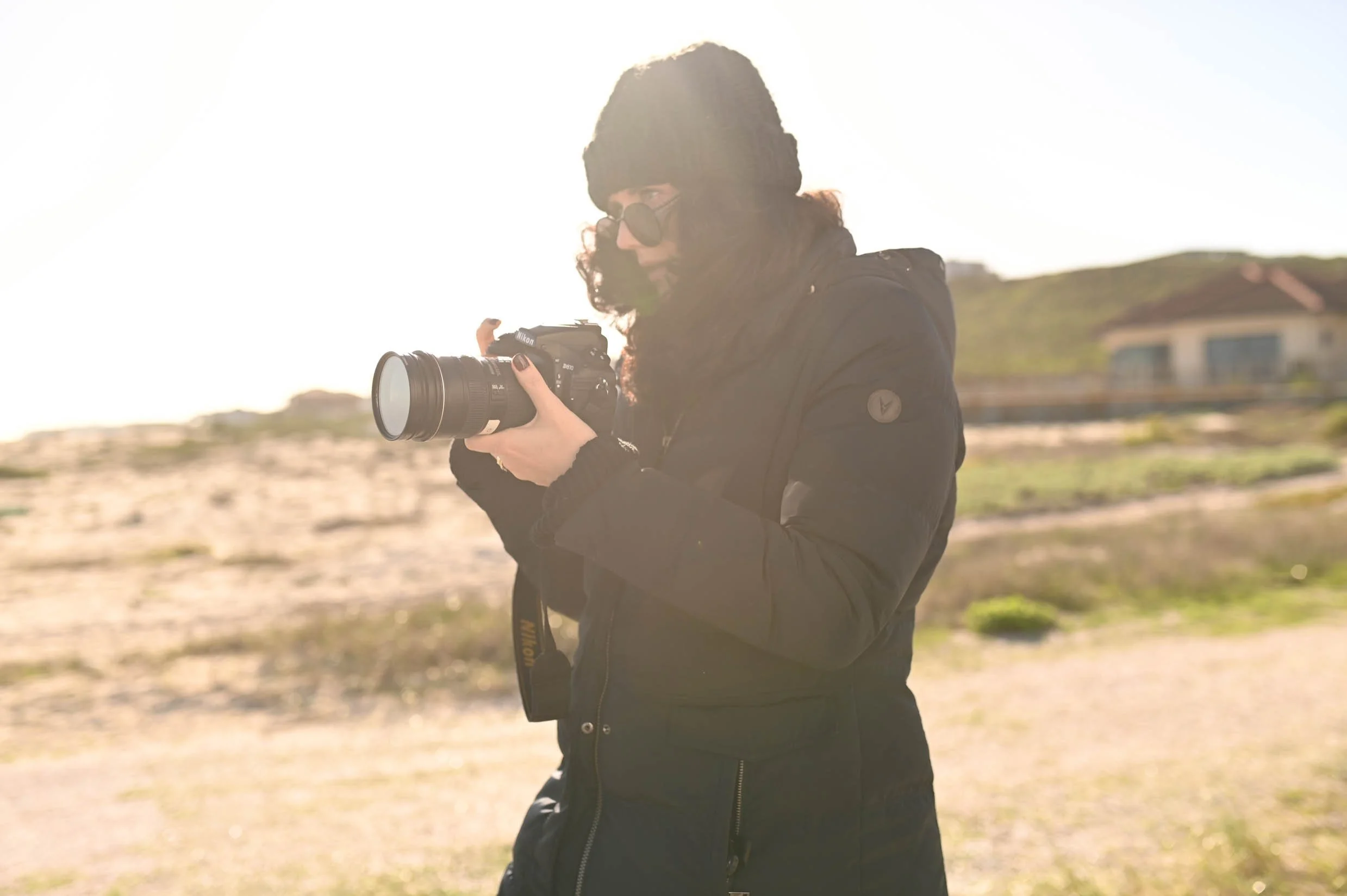
Photography taught me something that remains central to my thinking: what we choose to include in a frame determines what others can see and understand. The same principle applies to research questions, business models and technological systems. Every structure reflects decisions about what matters, what becomes visible and what remains outside its boundaries.
This relationship between framing, knowledge and practical implementation also informs my independent writing and intellectual inquiry.
I am particularly interested in the foundations of technological systems: how we define their objectives, what assumptions they encode, what information they consider relevant and how they influence human decisions.
The most consequential decisions in a technological system are often made before the technology begins operating.They are embedded in its premises, the boundaries of the problem and the criteria by which success is measured.
These questions become especially relevant in the context of artificial intelligence. My work explores intelligence, authorship, evidence and human agency. I am interested in what constitutes knowledge, how claims can be substantiated, and how synthetic media change the relationship between representation and documented reality.
I also examine the economic and ethical implications of technological design: who has the authority to define a problem, whose contributions are recognised, how value is distributed and which opportunities a system makes available.

Investigating these questions requires intellectual precision, a willingness to challenge established definitions and an openness to evidence that challenges our assumptions.
For me, entrepreneurship and intellectual inquiry are closely connected. Building a system offers direct insight into the decisions that shape its behaviour, while research and critical examination provide ways to question those decisions.
I build systems, examine the principles on which they operate and use what I learn to develop better ones.

At the centre of that work is human agency: our capacity to understand the structures that shape our lives, participate in defining them and act to change them.